Fair Housing Rights: Knowing Your Options for Disability Accommodations and Modifications
What Every Tenant Should Know

There are times when equal treatment still leaves some behind. To ensure that people with disabilities have equal access to housing, housing providers are sometimes required to take extra steps to make rental units more accessible.
These legal protections cover individuals with disabilities who have a physical, mental, or cognitive impairment that substantially limits one or more major life activities. This includes physical conditions like those that impact mobility or the ability to see or hear, but it also covers mental and cognitive conditions such as anxiety, depression, PTSD, or processing disorders.
To help ensure that rental housing is accessible, the law requires housing providers to grant two specific types of requests: reasonable accommodations and reasonable modifications.
Reasonable Accommodations
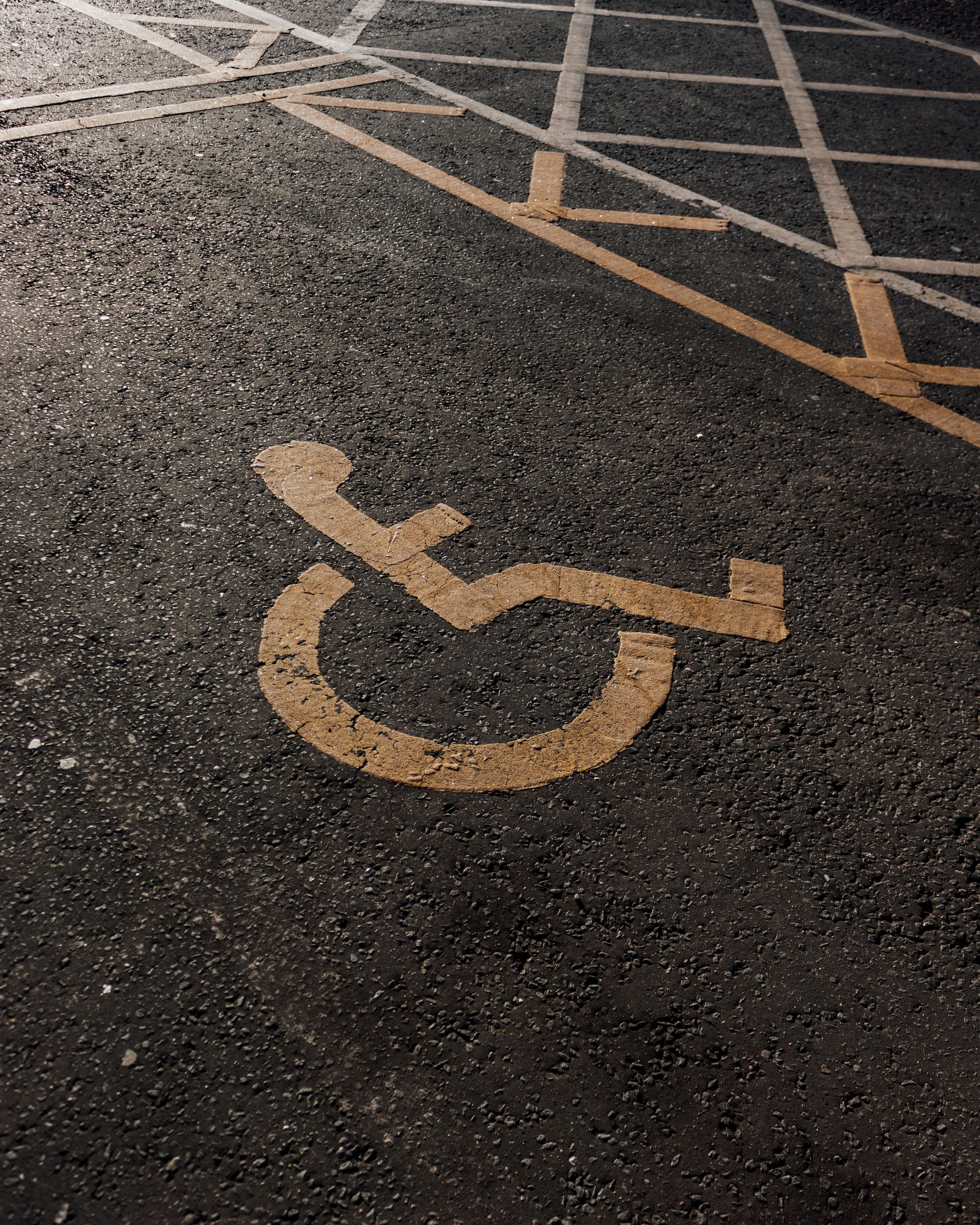
A reasonable accommodation is a change in rules, policies, practices, or services. For example, a housing provider might assign a designated accessible parking spot, waive fees to move a tenant to a first-floor unit, or adjust a unit assignment for a tenant with severe PTSD so they do not face a busy, noisy street.
Reasonable Modifications
A reasonable modification, on the other hand, is a structural change made to the property to make it fully usable. Examples include adding grab bars in the bathroom, installing a wheelchair-accessible ramp, or adding flashing strobe alarms for deaf or hard-of-hearing tenants. These structural changes can make all the difference in allowing someone with a disability to live safely and comfortably in a home.
How to Request an Accommodation or Modification
We offer free support for individuals who need disability accommodations and modifications. Here are a few important tips to keep in mind when starting the process:
- Check for Existing Procedures: Start by checking if the housing provider has a specific policy or form they prefer tenants use when making a request.
- Connect the Request to Your Disability: The request must show that it will address the needs arising from the specific disability. Oftentimes, a letter from a healthcare provider is the best supporting information. It is best if this note clearly explains the condition and shows how the specific accommodation or modification will address the medical need.
- Understand the Limits: It is important to know that not every request must be granted. A request that would create an excessive cost or an unreasonable operational burden may not be approved. However, in these cases, the housing provider should work with you to find a different modification or accommodation that does meet your needs.
- Know Who Pays: Tenants may be required to pay for structural modifications themselves, and they might be responsible for returning the unit back to its original condition at their own expense when they move out. However, this rule changes if the housing provider receives federal funding, in which case they are typically required to cover the costs.
The Takeaway
The main takeaway is housing providers often must make or allow changes to allow disabled tenants to have equal access to housing. These laws exist to ensure that housing opportunities are truly available and functional for everyone.
If you have questions or need free support with needed accommodations or modifications, please reach out to us at the Fair Housing Center. We are here to help.