By FHCMD Staff
•
July 28, 2026
Many of us will experience physical changes or cognitive decline as we age. Whether seeking new housing or living in a condo, apartment, rental housing, or even an assisted living facility or nursing home, seniors with disabilities are entitled to fair housing protections. According to the U.S. Centers for Disease Control and Prevention (CDC) , approximately 2 in 5 adults aged 65 and older experience disabilities that affect daily life. Vision or hearing loss, mobility impairment, chronic health conditions, and cognitive decline are more likely to occur or become more significant as people age. Ultimately, disabilities do not have to restrict a person's housing options. Understanding Accommodations and Modifications Disabled individuals, as well as family members and caregivers assisting them, can make requests for accommodations and physical modifications. Common examples include: Physical Modifications: Installing grab bars, raising toilet seat heights, or adding visual safety features like flashing lights connected to fire alarms for individuals with hearing impairments. Rule and Policy Adjustments: Reserved parking space, granting a move to a lower floor, or permitting a live-in caregiver. Communication Support: Sign language interpretation or auxiliary aids. When a resident makes a request, a housing provider may ask for documentation from a healthcare provider linking the disability to the requested accommodation or modification. Housing providers must generally grant these requests as long as they do not impose an excessive cost or unreasonable burden. Housing providers should be mindful of ways that make the accommodation process as accessible as possible. Tenants who are not tech-savvy or who may be experiencing cognitive decline may have challenges completing an online form or using an app. Remaining proactive and offering alternative methods if a resident appears to be struggling with an accommodation process will help ensure that your accommodation and modification request process is accessible. Who Pays for Modifications? Responsibility for modification costs depends on the type of housing. While residents in market-rate housing are generally responsible for funding physical modifications, those living in subsidized or low-income senior communities may not have to pay. Landlords who receive federal financial assistance are required to fund approved reasonable modifications for residents with disabilities. (For a deeper dive into making requests, read our article: Fair Housing Rights: Knowing Your Options for Disability Accommodations and Modifications ) We Are Here to Help You don't have to navigate housing accommodation and modification requests alone—we're here to help. Contact us through our website or give us a call at 313-579-FAIR (3247) to discuss fair housing rights and questions, receive support with addressing possible fair housing law violations, or to receive help in requesting disability accommodations and modifications.
 Harvard sociologist Matthew Desmond, in Evicted: Poverty and Profit in the American City (2016)
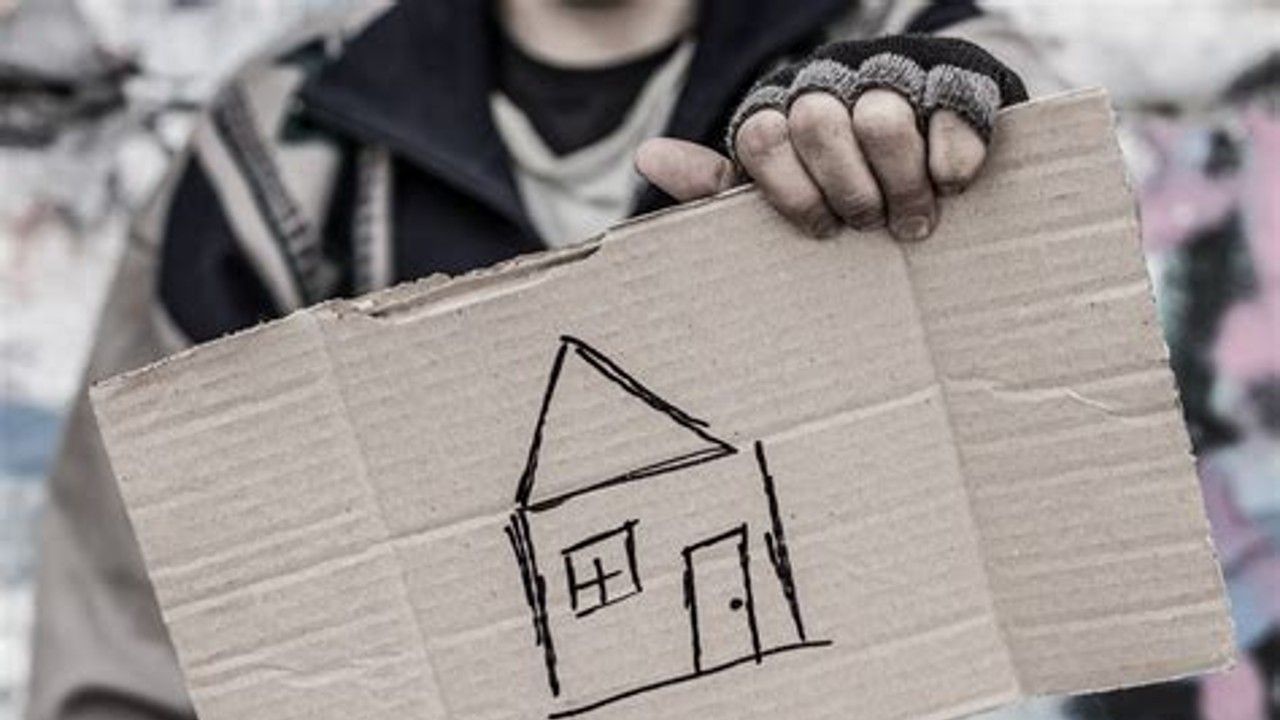
, found that “Eviction functions as a cause, not just a condition of poverty.” Desmond, Princeton University and leading private foundations in 2017 established the “Eviction Lab”, a nationwide database of evictions. Everyone should review the evictionlab.org site. As of 2016, Michigan had an eviction filing rate of 13.31% or 13.31 per 100 residents. Michigan’s eviction rate of 3.28% per 100 rental homes is over 3 times the 0.94% U.S. average. Warren ranks 8th highest in evictions among major cities in the nation. Detroit ranks 32nd. The affordable housing shortage underlies this crisis. Michigan’s low-income and moderate-income families often pay 30-50% or more of their gross monthly income towards rent.
Harvard sociologist Matthew Desmond, in Evicted: Poverty and Profit in the American City (2016)
, found that “Eviction functions as a cause, not just a condition of poverty.” Desmond, Princeton University and leading private foundations in 2017 established the “Eviction Lab”, a nationwide database of evictions. Everyone should review the evictionlab.org site. As of 2016, Michigan had an eviction filing rate of 13.31% or 13.31 per 100 residents. Michigan’s eviction rate of 3.28% per 100 rental homes is over 3 times the 0.94% U.S. average. Warren ranks 8th highest in evictions among major cities in the nation. Detroit ranks 32nd. The affordable housing shortage underlies this crisis. Michigan’s low-income and moderate-income families often pay 30-50% or more of their gross monthly income towards rent.